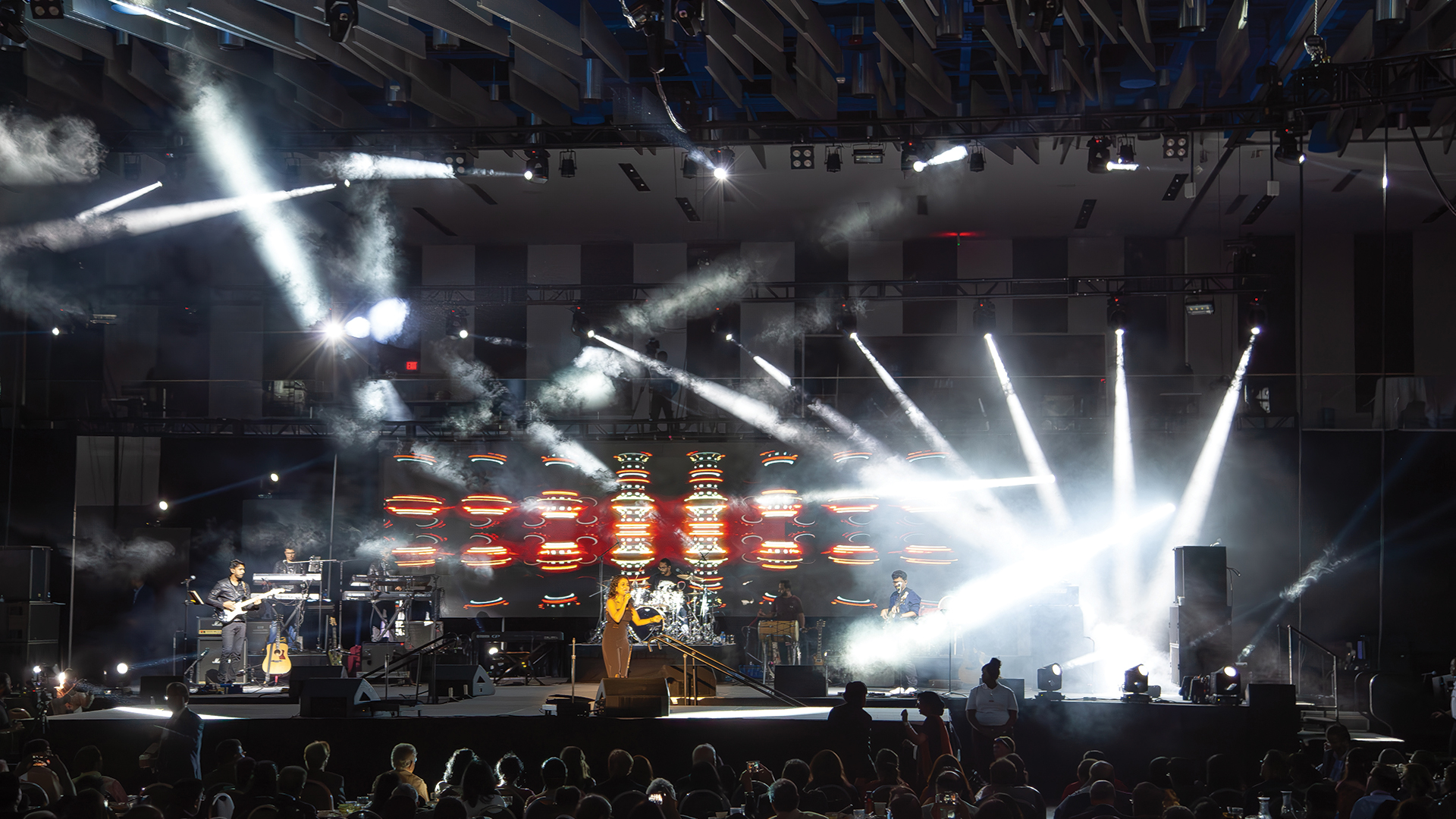
The product reveal countdown appeared on screen 10, 9, 8 and the lighting designer’s hands hovered over the console. At zero, the room plunged into darkness, a beat of silence, then an explosion of light, sound, and LED graphics as the new model rolled onto stage. This perfectly timed lighting moment didn’t happen by accident. Understanding how to time lighting for big announcement moments enables production teams to create the dramatic reveals that audiences remember.
The Psychology of Dramatic Timing
Anticipation and release drive emotional impact. Building tension through dimming lights, focused attention, and strategic silence creates anticipation that the reveal then releases. This pattern—established through millennia of storytelling—triggers automatic emotional responses that productions can harness. Rushing to reveals without building anticipation wastes impact potential; dragging builds too long exhausts patience. The optimal timing varies by context but typically involves 5-15 seconds of build before major reveals.
Contrast maximizes impact. A product revealed into bright light from a bright room makes minimal impression; the same product emerging into light from complete darkness creates dramatic impact. Productions planning major reveals should control ambient light sufficiently to create meaningful contrast. This may require dimming house lights, reducing LED wall brightness before reveals, and coordinating with presenters whose speaking continues during build sequences.
Technical Implementation
Timecode synchronization ensures frame-accurate coordination between lighting, audio, and video elements. SMPTE LTC or MIDI timecode from audio playback triggers lighting cues at precisely programmed moments. Consoles like GrandMA3 and ETC EOS accept timecode input, firing cue sequences automatically aligned to audio playback. This automation ensures consistency that manual operation cannot guarantee—every show executes identically.
Show control integration coordinates multiple systems for complex reveals. QLab, Medialon, and Pharos systems send commands to lighting, video, audio, and automation simultaneously. A reveal sequence might dim house lights (lighting), start countdown video (media server), begin musical build (audio), and trigger product platform movement (automation)—all coordinated to converge at the reveal moment.
Programming Reveal Sequences
Build cues create the anticipation preceding reveals. Gradual house light dimming over 10-15 seconds draws attention without jarring transitions. Stage wash reduction focuses attention on specific areas. LED wall brightness reduction creates the darkness from which reveals emerge. Each element contributes to building anticipation while maintaining audience comfort—complete sudden darkness can feel disorienting and concerning rather than dramatic.
Reveal cues should snap rather than fade when immediate impact is desired. A product spotlight reaching full intensity in 0.5 seconds creates punch; the same cue over 3 seconds feels soft. Moving head beams sweeping into position, LED wall content exploding with graphics, and audio stingers hitting simultaneously create the sensory overload that makes reveals memorable. Programming these elements to precise timecode references ensures the coordination that manual operation cannot achieve consistently.
Timed lighting for announcements represents theatrical craft applied to corporate communications. The techniques—building anticipation, creating contrast, precise coordination—have centuries of theatrical development behind them. Productions that invest in proper timing, programming, and rehearsal create moments that elevate announcements from information delivery to memorable experiences.
