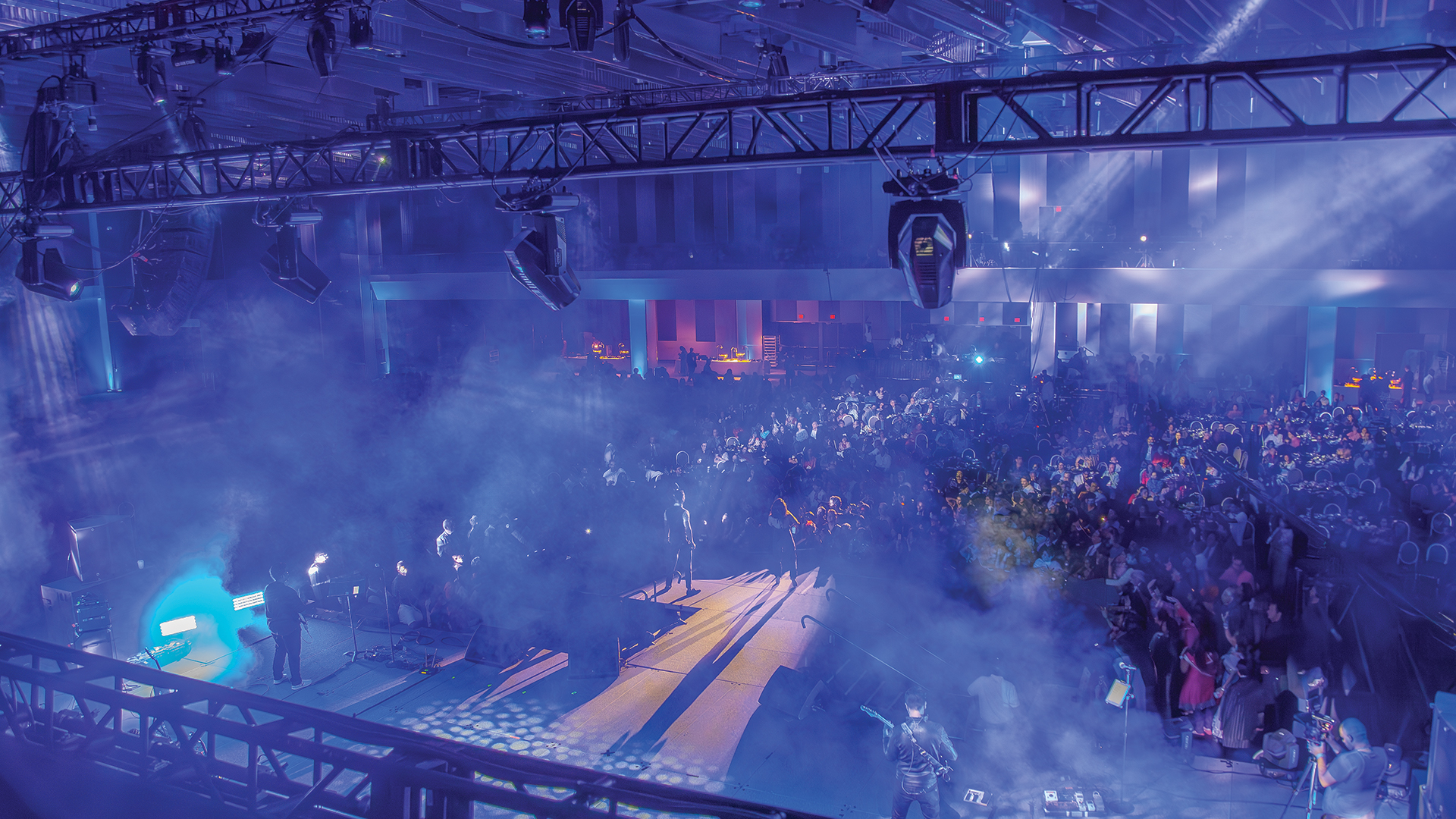
The entertainment rigging system is designed for controlled, predictable movement—raising and lowering loads according to operator commands. When truss structures attempt unauthorized maneuvers, the results range from concerning to catastrophic.
The CM Lodestar Pendulum Problem
The CM Lodestar chain motor represents the workhorse of entertainment rigging. Head rigger Marcus Webb encountered unexpected dynamics during a quick changeover at a festival.
“We were flying out a lighting truss between acts—standard operation with six one-ton Lodestars on a 60-foot span. As the truss cleared trim height, it started swinging. Not dramatically at first, but the oscillation built with each cycle. The truss had decided to become a pendulum.”
The cause was motor speed differential. “One motor was running slightly faster than the others due to a worn brake component. The uneven lift created a rocking motion that accumulated into significant swing. We implemented synchronized motor control through a Kinesys motion control system for subsequent operations.”
The Prolyte Pre-Rig Rotation
Pre-rigged Prolyte truss sections enable efficient load-ins by keeping fixtures permanently mounted. System tech Sarah Chen encountered an unexpected rotation during a load-in.
“The pre-rig section was rising normally when it suddenly rotated about 15 degrees. Not catastrophic, but enough to throw off all the focusing and require re-positioning of every fixture on that section. The truss had decided to twist without consulting anyone.”
Investigation revealed a bridle calculation error. “The asymmetric loading from the fixtures created a moment that the bridle geometry couldnt compensate for. As tension increased during the lift, the truss took the path of least resistance—rotation. We recalculated the bridle angles to account for the load distribution.”
Historical Context: The Evolution of Entertainment Rigging
The history of theatrical rigging extends to the Greek theater of 500 BCE, where the “deus ex machina” crane lowered actors portraying gods onto the stage. Renaissance theater developed sophisticated counterweight systems that remained standard for centuries.
The rock and roll touring industry of the 1970s drove modern rigging innovation. Chain hoists adapted from industrial applications became the standard for flying production elements, while aluminum truss systems provided the structures to hold increasingly ambitious lighting rigs.
The Tyler Truss Tilt Incident
The Tyler Truss GP system provides structural flexibility for various production needs. Production manager David Park encountered structural behavior during an outdoor event.
“We had a ground-supported roof system with a 40-foot clear span. As load-in progressed and weight accumulated on the structure, the entire system began tilting slightly toward the heavier side. Maybe two degrees, but visible and concerning.”
The issue was differential settling in the base plates. “The ground wasnt as uniform as it appeared. One corner was settling into softer soil while others held firm. We installed spreader plates under all bases and monitored level continuously throughout the event.”
Practical Rigging Safety Protocols
Preventing unauthorized truss acrobatics requires attention to engineering, installation, and monitoring. Load calculations must account for dynamic forces during movement, not just static hanging loads.
Implementing motion control systems like Movecat or Kinesys provides synchronized motor operation that prevents the differential speeds that cause oscillation.
Continuous Monitoring Importance
The Broadweigh load monitoring system provides real-time feedback on every pickup point. Changes in load distribution often precede visible structural movement, giving riggers warning before truss decides to perform.
Every rigging system is a dynamic structure subject to forces that engineering must anticipate and control. When truss attempts unauthorized maneuvers, it reveals gaps in our understanding of those forces. The best riggers learn from every unexpected movement, refining their approach until the structures behave precisely as commanded.
