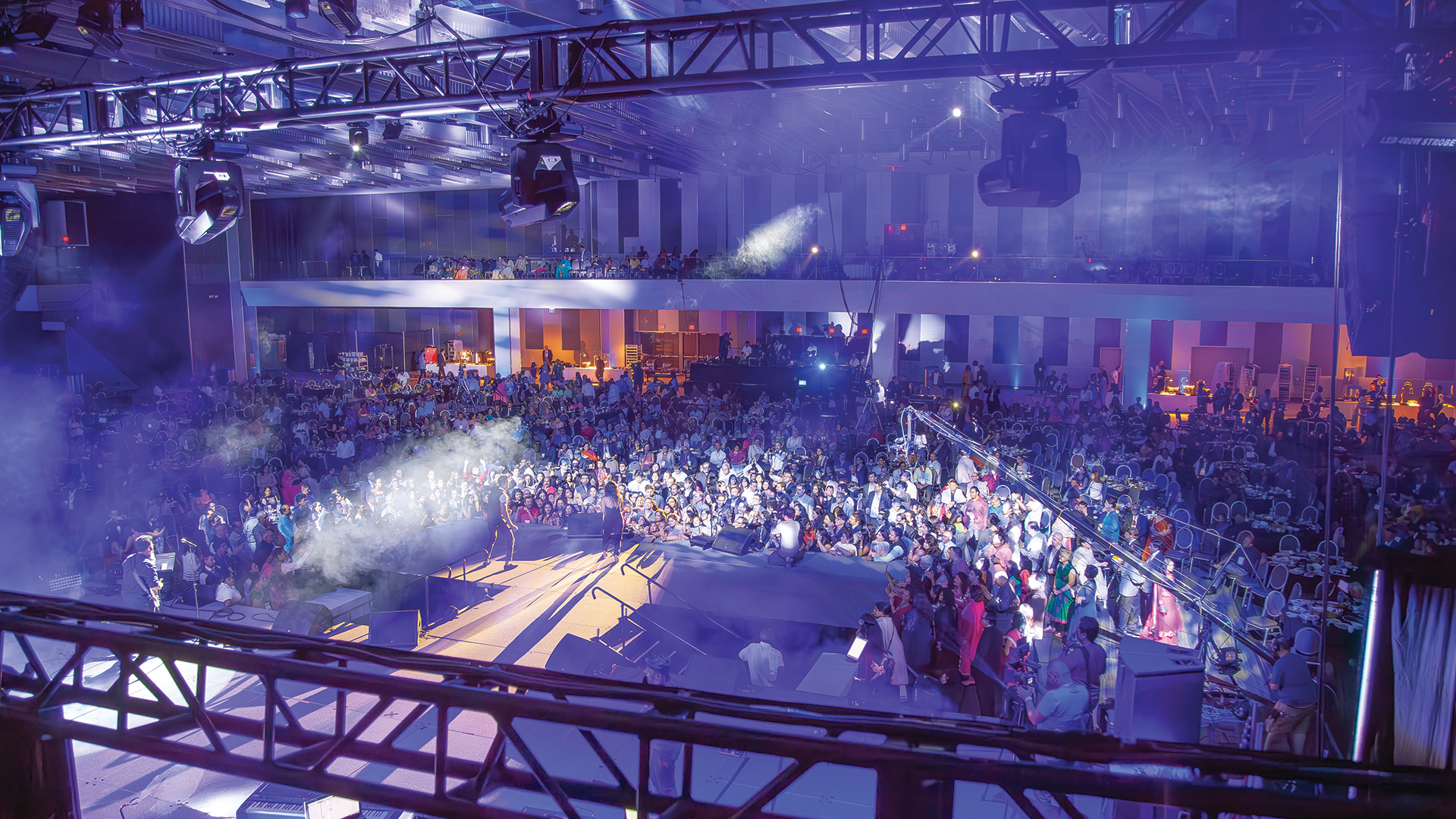
The transition between program segments exposes production quality like nothing else. Audiences tolerate imperfect static states—they’re focused on content. But moments between states draw conscious attention to production craft. Lighting presets engineered for rapid transitions create seamless flow that audiences unconsciously expect.
The concept of preset-based programming traces to earliest theatrical dimmer boards. Before computerized control, technicians manually set dimmer positions for upcoming scenes. Modern DMX-based systems achieve equivalent results through software.
Preset Architecture Strategies
Scene-based organization creates dedicated states for each distinct segment. Component-based organization stores individual lighting system elements—key light configurations, fill settings, scenic accent treatments—as separate preset groups.
ETC EOS, GrandMA3, and Hog 4 consoles organize programming around this preset model—each using different terminology (cues, looks, presets, scenes) but enabling the same fundamental workflow.
Transition Programming Techniques
Fade time specification determines transition character. Sharp transitions (0-second fades) communicate energy; slow dissolves (10+ seconds) suggest contemplation. Split-fade programming enables different elements to transition at different speeds.
Follow cues automate multi-step transitions. Complex transitions execute through single operator commands with follow timing handling sequenced execution. GrandMA3 particularly excels through its preset type delay system.
Preset Naming And Organization
Consistent naming conventions accelerate operator response. Presets named by segment content (“Panel Discussion,” “Product Demo”) enable faster identification than numeric sequences.
Color coding within console displays provides visual organization. Playback organization on physical console surfaces matters—fader pages dedicated to segment presets enable physical reach patterns that become automatic.
Real-Time Adjustment Capabilities
Intensity masters provide global control over preset brightness. Color modification tools enable preset hue adjustment without fixture-by-fixture changes. Highlight/lowlight functions isolate individual fixtures for adjustment while maintaining overall preset structure.
Segment Transition Coordination
Timecode synchronization enables automated coordination. Productions using SMPTE timecode can trigger lighting presets automatically when video content reaches specific points.
Show control systems from Medialon, Dataton Watchout, and QLab coordinate multi-domain transitions through unified control.
Show file management protects preset investment against console failures. Productions should maintain show files on at least three separate storage media with version numbering enabling recovery.
