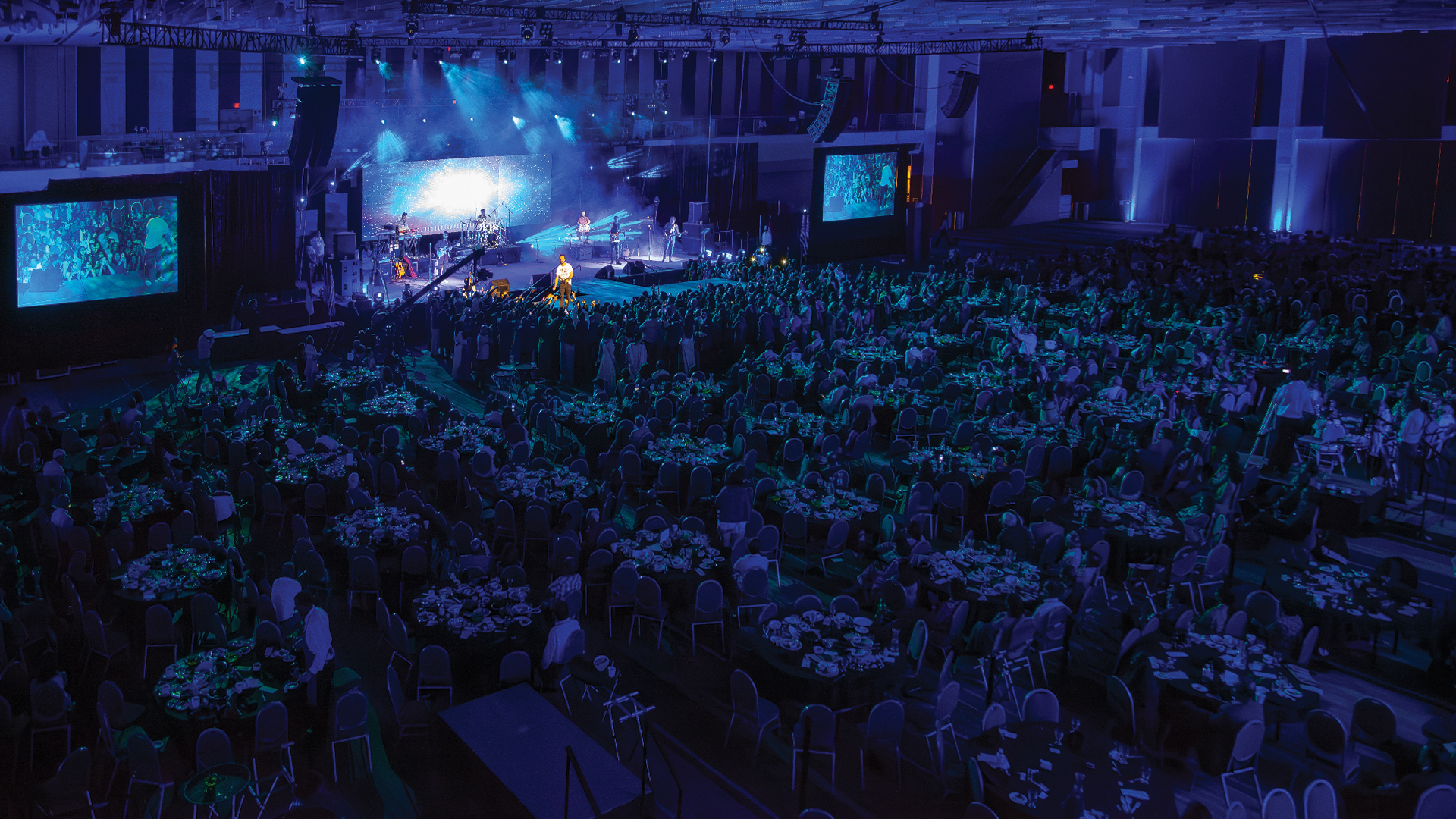
The stage looks stunning in the rendering—sleek scenic elements, dramatic lighting, pristine platforms awaiting presenters. Then load-in begins, and reality asserts itself: hundreds of cables snaking across every surface, gaffer tape creating abstract art on the floor, extension cords cascading from truss like industrial vines. Cable management distinguishes professional productions from amateur attempts more visibly than almost any other element, yet it receives attention only when its absence creates obvious problems. The invisible infrastructure that makes productions possible deserves invisible installation that preserves design vision.
This wasn’t always the standard. Early theatrical productions accepted visible cables as production necessity; 1970s concert tours featured cables festooned across stages with casual disregard for aesthetics. The shift toward pristine cable management began in corporate AV, where executives noticed sloppy infrastructure and questioned production professionalism. Today’s expectation—that cables should be invisible—represents decades of industry evolution toward higher visual standards.
Pre-Production Cable Planning
Clean cable management begins long before trucks arrive at venue loading docks. Cable plots—diagrams showing cable routes from every device to its connection point—reveal potential conflicts before they become on-site problems. Which cables need to cross performer pathways? Where do camera positions conflict with lighting cable runs? What happens when the client inevitably requests that additional monitor position no one anticipated?
Vectorworks and AutoCAD enable production designers to layer cable routing over scenic and staging drawings, visualizing the complete infrastructure picture. Smart designers create cable layers that can be shown or hidden depending on conversation context—the scenic designer doesn’t need to see every DMX run, but the lighting programmer absolutely does. These drawings become communication tools ensuring all departments understand infrastructure plans before conflicting installations begin.
Stage Deck Considerations
Stage decks either facilitate cable concealment or frustrate it, depending on construction choices made weeks before installation. Under-stage cable pathways—channels routed beneath deck surfaces—allow cables to travel invisibly from edge positions to center-stage connection points. These pathways require planning during deck design and construction; retrofitting channels into existing stages typically proves impractical.
The StageRight portable staging system includes optional cable management trays that mount beneath deck surfaces, providing organized pathways without custom fabrication. For custom scenic elements, designers should specify cable channel locations as explicitly as scenic finishes—the infrastructure is as important as the visible surface, just invisible when executed properly.
Cable Pathway Materials and Techniques
Where cables must cross visible surfaces, professional productions employ cable ramps and floor channels that protect cables while minimizing visual impact. The ubiquitous yellow cable ramps serve safety purposes but scream ‘production equipment’ to audiences. Better alternatives exist: Checkers Industrial cable protectors come in low-profile black versions that nearly disappear against dark flooring, while custom-fabricated channels painted to match specific floor treatments achieve true invisibility.
For runs along walls or scenic flats, J-channel raceways provide clean concealment that reads as architectural detail rather than afterthought infrastructure. The Wiremold CableMate series offers paintable surfaces that scenic artists can finish to match any background, rendering cable runs invisible even in close-up camera shots that would expose traditional concealment methods.
Overhead Cable Management
Rigged lighting and audio equipment requires cables running from elevated positions to control locations—often the most visible cable runs in any installation. Professional crews use cable bridges and drop points that bundle cables at designated locations, preventing the spaghetti effect that occurs when each fixture drops its own individual cable run. These consolidated drops then route through single vertical channels to floor level.
Chain motors raising and lowering truss create cable management challenges as drop distances change. Spiral cable wraps and cable caterpillars bundle cables along motor chains, maintaining organized runs regardless of trim height. The Eurotruss cable management system integrates with their truss products, providing clean attachment points that prevent cables from dangling loosely as rigs move.
The Color Matching Imperative
Cable color matters more than budget-conscious productions often acknowledge. The default black cables work well against dark surfaces but become obvious lines against white stages, light-colored scenic elements, and LED walls. Professional inventory includes cables in multiple colors—white for light environments, gray for neutral surfaces, and specialty colors for unusual scenic treatments.
Canare manufactures audio cables in over a dozen colors, enabling matching to virtually any production palette. Video cables from Belden and Gepco come in white and gray variants that disappear against common corporate staging colors. The modest premium for colored cable stock pays dividends across countless productions where standard black would create visible infrastructure problems.
Bundling and Organization Systems
Loose cables create visual chaos; bundled cables create organized infrastructure. Velcro cable ties have largely replaced plastic zip ties in professional applications—they’re reusable, adjustable, and don’t require cutting tools for removal. The Rip-Tie CableWrap products come in lengths appropriate for bundling everything from small audio runs to massive video multicores, with color options matching common cable colors.
For runs requiring frequent access, split loom tubing provides protection and organization while allowing cables to be added or removed without complete disassembly. The corrugated plastic tubing opens along its length for cable insertion, then closes to present a unified exterior that hides the messy reality of multiple cable types running together.
Technical Ground and Power Distribution
Power cables present particular concealment challenges—their larger diameter makes them more visible, and safety requirements prohibit some concealment methods acceptable for signal cables. Technical ground systems distributing power from single points minimize cable runs compared to distributed power sources, but require careful load calculation to avoid overloading supply circuits.
The Motion Labs PowerRack systems enable centralized power distribution with managed cable runs to distributed devices. Rather than separate extension cords running from multiple wall outlets to each device, single organized feeds run from PowerRack positions to device clusters. This consolidation reduces visible cable count while improving power quality through consistent grounding—a technical benefit accompanying the aesthetic improvement.
Wireless: The Ultimate Cable Management
The cleanest cable run is no cable at all. Wireless technology has transformed cable management possibilities across production categories. Wireless DMX systems like Lumenradio CRMX eliminate lighting control cables from fixture positions; wireless audio systems from Shure and Sennheiser eliminate microphone cables; Teradek Bolt wireless video removes camera cables from shooting positions.
Wireless solutions carry cost premiums and require frequency coordination that wired systems avoid, but the cable management benefits often justify investment. Productions in challenging venues—historic buildings prohibiting floor penetration, glass-walled spaces with no concealment options, outdoor locations with lengthy cable runs—find wireless technology enables designs that wired infrastructure would prohibit.
Load-In Sequencing for Cable Organization
Load-in order dramatically affects final cable presentation. Equipment installed early has cable runs disrupted by later installations; equipment installed last finds cable pathways already occupied. Strategic sequencing—installing equipment in order that respects cable routing priorities—prevents the conflicts that create messy final results.
Generally, scenic elements with integrated cable channels install first, followed by equipment whose cables run through those channels. Overhead installations precede floor-level equipment, allowing drop cables to establish before floor-level routing begins. This sequencing requires coordination across departments that often work independently—the production manager’s job includes ensuring all departments understand sequencing requirements and adjust their installation timing accordingly.
Documentation and Labeling
Clean cable management includes knowing what each cable does without tracing its entire length. Cable labeling at both ends identifies every run, enabling troubleshooting and strike efficiency that unlabeled installations cannot match. The Brother P-touch label makers produce durable labels that survive production conditions while remaining legible in low-light technical areas.
Beyond individual cable labels, complete cable schedules document every run in the installation—cable type, length, source, destination, and pathway. These schedules prove invaluable during troubleshooting when problems require systematic elimination, and they enable identical recreation when productions tour to multiple venues with consistent technical infrastructure.
Cable management represents the production equivalent of a tailored suit versus off-the-rack clothing. Both cover the same basic requirements, but the craftsmanship difference is immediately apparent to anyone looking. Audiences may not consciously notice clean cable management, but they absolutely perceive production quality—and visible cable chaos undermines quality perception regardless of how sophisticated other production elements may be. The crews who master cable management deliver that indefinable ‘professional’ feeling that separates memorable productions from forgettable ones.
