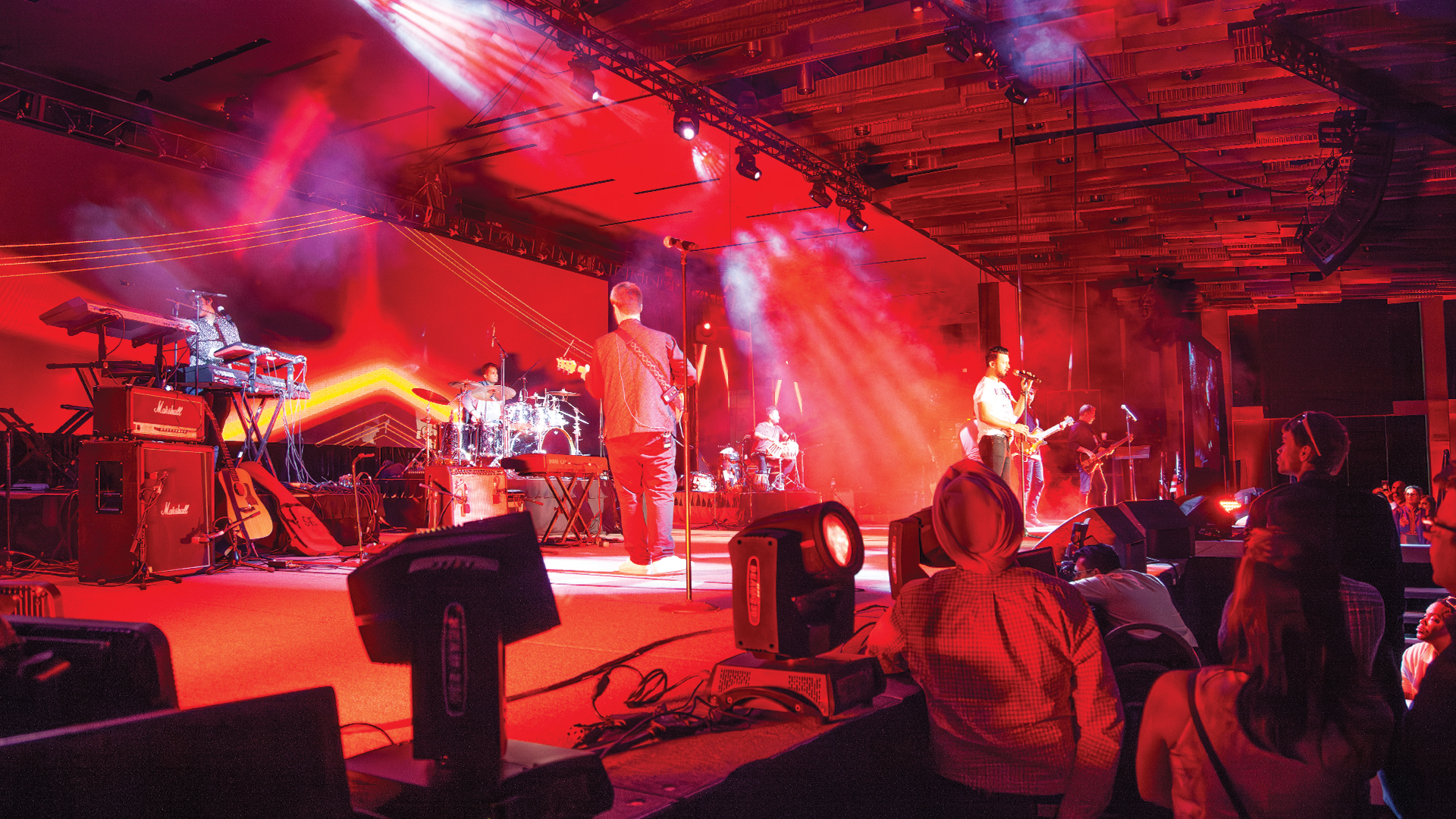
The followspot represents one of the purest human-machine collaborations in live production—an operator’s skill mediated through precision optics to place light exactly where performers need it. But when followspots develop minds of their own, the results range from embarrassing to catastrophic. These are the stories of spotlights that decided to play games.
The Robert Juliat Lancelot That Found Religion
The Robert Juliat Lancelot stands as the benchmark for long-throw followspots—precision optics, powerful output, and legendary build quality. Followspot operator Elena Vasquez had worked with Lancelots for fifteen years without incident. Then came the 2019 arena tour.
“The spot started drifting right during every show. Not dramatically—maybe two degrees over the course of a song. I’d correct, it would drift again. My pan lock was engaged, the base was secure. But this spot wanted to look stage right, specifically toward a banner that happened to be positioned there.”
Investigation revealed a thermal issue. “The spot position received direct sunlight through a skylight during afternoon shows. One side of the yoke assembly was expanding more than the other, creating a consistent torque that overwhelmed the pan lock. The spot wasn’t playing games—it was responding to differential thermal expansion. We installed a shade and the ‘religion’ disappeared.”
The Lycian Starklite That Synchronized Wrong
The Lycian Starklite series offers DMX control over intensity and color—a valuable feature for automated followspot cueing. Production electrician Marcus Chen deployed three Starklites for a musical theater production and discovered that DMX control introduces new failure modes.
“We had the spots receiving DMX intensity control from the ETC Ion console while operators handled position and size. During rehearsals, everything worked perfectly. Opening night, spot two decided to fade out during the lead’s big number—all the way down, then back up, then down again. The operator was fighting a control signal that wasn’t coming from their dimmer wheel.”
Tracing the Ghost Signal
The issue traced to a wireless DMX transmitter that a previous production had left installed in the venue. “Someone else’s City Theatrical DMX-Cat was still broadcasting on our universe from a position we didn’t know existed. When their battery hit a certain level, it started transmitting garbage data that happened to include our followspot channels. The spot was playing hide and seek with a ghost from a show that had closed months earlier.”
Historical Context: The Evolution of the Followspot
The followspot evolved from the limelight of the 1820s—literally burning lime in an oxyhydrogen flame to create intense, focused illumination. The term ‘in the limelight’ comes directly from this theatrical technology. Operators in the Victorian era worked with explosive gases and open flames to follow performers around the stage.
The carbon arc spotlight dominated from the 1890s through the mid-20th century. Companies like Strong International and Brenkert produced units that required constant attention—operators had to feed carbon rods and adjust the arc gap while following the action. The introduction of xenon arc lamps in the 1960s freed operators to focus on the artistic aspects of spot operation.
The Strong Super Trouper That Wouldn’t Wake Up
The Strong Super Trouper remains a workhorse of arena touring—reliable, powerful, and capable of throwing light across stadium distances. Followspot operator David Williams encountered a Super Trouper that developed narcoleptic tendencies during a 2020 tour.
“The xenon lamp would extinguish itself randomly—no warning, no pattern we could identify. Sometimes it would run for two hours, sometimes it would die during the first song. The igniter would restart it, but you can’t recover quickly from a dark followspot during a live show.”
The culprit was a failing ballast component that would intermittently drop below the sustaining voltage for the xenon arc. “The xenon lamp itself was perfect—verified by swapping between fixtures. But this ballast had developed what our tech described as ‘a temperature-sensitive short’ that only manifested under specific thermal conditions. The spot was literally falling asleep when it got too comfortable.”
The PRG GroundControl That Found Its Own Way
The PRG GroundControl followspot system represents the cutting edge of automated followspotting—operators control position from the floor using video targeting while the actual fixtures remain in the rig. The system works brilliantly when everything aligns. Lighting designer Sarah Park discovered what happens when it doesn’t.
“We had the GroundControl system tracking performers using Robe BMFL FollowSpot fixtures. During tech, everything was perfect. First preview, the system started ‘leading’ the performers—anticipating their movements and arriving at marks before they did. The operators weren’t cueing early; the system was extrapolating performer trajectories and moving ahead.”
Understanding the Prediction Algorithm
The behavior stemmed from a predictive tracking feature that had been enabled during system setup. “The system was designed to compensate for operator reaction time by predicting where performers would move based on their current trajectory. On a football field, this makes sense. In theater, where performers change direction constantly and dramatically, the prediction was consistently wrong. The spots were playing their own game of trying to guess where the actors would go next.”
The Chauvet Professional Ovation SP-300CW That Remembered Everything
The Chauvet Professional Ovation SP-300CW offers LED followspot capability in a compact package. Production electrician Jennifer Santos deployed several units for a theatrical production and encountered a memory issue that manifested as unpredictable behavior.
“The spots would occasionally snap to positions from previous shows—not current cues, but positions they’d been in days or weeks earlier. An operator would be tracking a performer, and suddenly the spot would jump to center stage and freeze. The position was always recognizable—the final tableau from a show we’d done the week before, or the opening pose from a different production entirely.”
The issue involved the fixture’s preset memory feature interacting with corrupted DMX data. “Specific DMX values that occurred naturally during operation were being interpreted as recall commands for stored positions. The spots were literally having flashbacks to previous shows. A firmware update that changed how the fixture interpreted DMX data solved the problem.”
Practical Followspot Management
Preventing followspot games requires attention to both the mechanical systems and the control environment. Regular yoke maintenance including bearing inspection and lubrication prevents the mechanical drift that leads to positional instability.
For DMX-controlled spots, ensuring clean control signals through proper termination and verified cable runs prevents the ghost signals that cause unexpected behavior. Using a DMX tester like the Swisson XMT-350 to verify signal integrity at the fixture addresses specific interference issues.
Operator Training and Communication
Experienced followspot operators develop sensitivity to fixture behavior that allows them to identify developing problems before they become show-stopping. Encouraging operators to report subtle changes—unexpected resistance, unusual sounds, minor drift—creates an early warning system for mechanical issues.
Clear communication protocols between operators and the stage manager ensure that spot problems can be addressed quickly. When a followspot starts playing games, the operator’s ability to communicate the issue while maintaining composure determines whether the audience ever knows something went wrong.
The followspot remains one of the most intensely human elements of modern production—a tool that extends the operator’s attention and intention across vast distances to place light where performers need it. When these systems misbehave, they remind us that even the most reliable technology exists in a web of interdependencies. The best operators learn to read their equipment’s moods and respond before games become crises.
