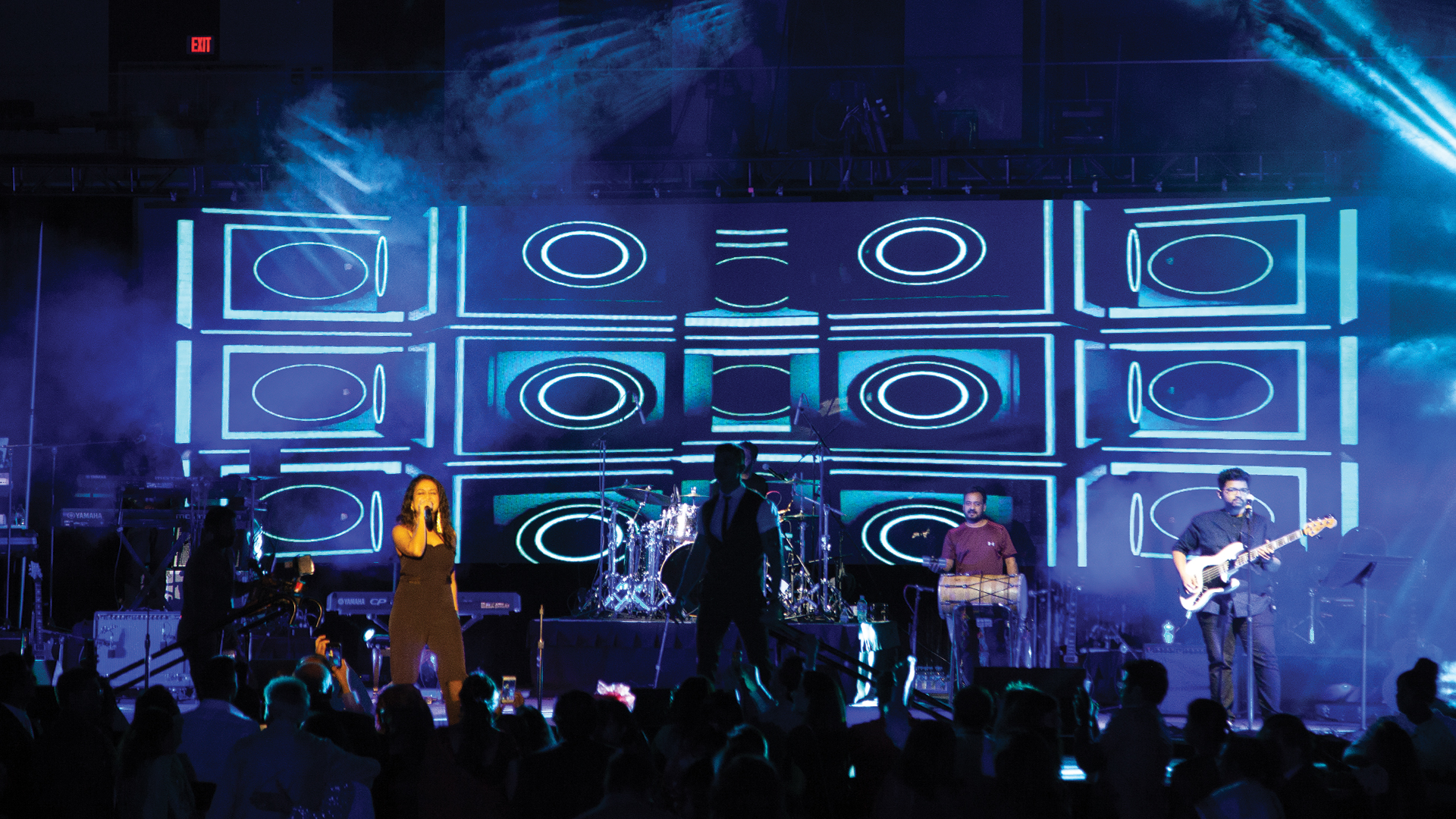
The forecast showed rain probability at 60% for the outdoor festival, and the production manager confirmed what the technical director already knew: they needed waterproof LED panels. Standard indoor panels would fail spectacularly in wet conditions, creating safety hazards and equipment damage. Understanding why IP-rated outdoor LED is essential for exterior installations prevents disasters that indoor equipment cannot survive.
Understanding IP Ratings
IP (Ingress Protection) ratings quantify equipment resistance to solid particles and liquids. The two-digit code indicates protection levels: the first digit (0-6) rates solid protection, the second (0-8) rates liquid protection. IP65 panels resist dust ingress completely (6) and protect against water jets (5)—adequate for rain exposure. IP67 panels add temporary submersion protection, providing additional margin for standing water conditions outdoor events might encounter.
Indoor panels typically carry IP20 or IP30 ratings—minimal protection suitable only for controlled environments. Using these outdoors risks electrical failure, pixel damage, and potentially dangerous short circuits when moisture enters. The cost savings of using indoor panels outdoors prove illusory when equipment failures require emergency replacement at premium rates, or when damaged equipment requires expensive repair or replacement.
Outdoor Panel Design Features
Sealed cabinet construction prevents moisture entry through gaskets, O-rings, and conformal coatings on electronics. Products from Absen Armor Series, ROE Visual Diamond, and Unilumin Ustorm implement these protections systematically. The sealing adds weight and cost compared to indoor panels—tradeoffs justified by reliability in conditions indoor panels cannot survive.
Brightness specifications for outdoor panels exceed indoor requirements significantly. Direct sunlight delivers approximately 100,000 lux; LED panels must output sufficient brightness to remain visible against this competition. Outdoor panels typically achieve 5,000-7,000 nits or higher, compared to 800-1,500 nits for typical indoor panels. This brightness differential explains the higher power consumption and heat generation outdoor panels exhibit.
Weather Considerations Beyond Rain
Temperature extremes affect LED performance and reliability. High temperatures accelerate LED aging and can cause thermal shutdown; low temperatures affect panel response times and color accuracy. Quality outdoor panels specify operating temperature ranges—typically -20°C to +50°C—and include thermal management features that maintain performance across these conditions. Installations in extreme climates should verify that specified panels suit actual environmental conditions.
Wind loading creates structural challenges for outdoor installations. Large LED walls present significant sail area; wind forces on these surfaces can stress mounting hardware beyond capacity. Structural engineers calculate wind loads based on installation geometry and local wind conditions, specifying mounting and bracing that ensures stability. Outdoor panel designs often include ventilation features that reduce wind loading while maintaining weather protection—a careful balance that quality engineering achieves.
Outdoor LED installations demand equipment designed for environmental exposure and production approaches that address weather realities. The investment in IP-rated panels and proper installation engineering ensures reliable performance regardless of conditions—confidence that enables outdoor events to proceed without the anxiety that inappropriate equipment creates.
